Phoenix, AZ
Commercial Hood Cleaning in Phoenix, AZ.
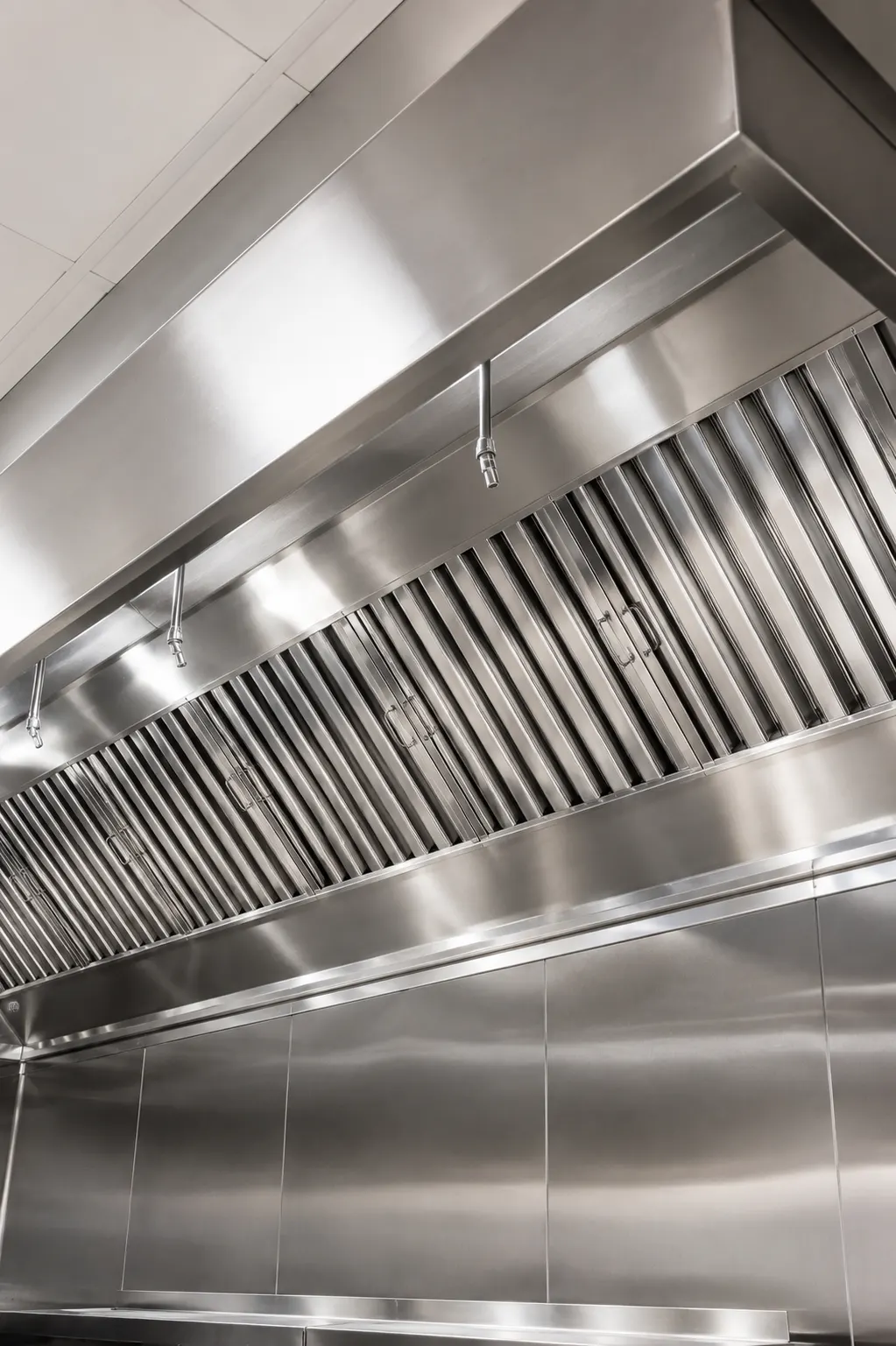
Commercial hood cleaning in Phoenix means cleaning the whole exhaust path, not the part your customers can see. The stainless face of a hood gets wiped every night by the closing crew. The plenum behind the filters, the duct running up through the roof structure and the fan sitting on top of it do not get touched by anyone, and that is precisely where grease accumulates.
Serving Arizona since 2016 · Open 24/7
That accumulation is what turns a flare-up on the line into a fire in the roof. It is the reason hood cleaning exists as a separate trade from kitchen cleaning, and it is why a quote that only covers the hood itself is not really a quote for hood cleaning.
Commercial Pros cleans kitchen exhaust systems for restaurants, bars, hotel and banquet kitchens, schools and care homes across the Phoenix metro, working overnight so the kitchen loses no service.
The parts of the system, and which ones get skipped
When comparing bids, ask each one what happens above the ceiling. The answer separates them quickly.
- Hood surfaces: interior and exterior, degreased back to bare metal wherever they are accessible
- Baffle filters removed, soaked and washed rather than wiped in place
- The plenum: the chamber directly behind the filters, where grease collects first and heaviest
- Duct and riser, cleaned through existing access panels along their length
- The rooftop fan: housing, blades, hinge and fan base, which means going onto the roof
- Rooftop grease containment checked and cleared
- Access panels installed where a duct section cannot otherwise be reached
- Before and after photographs of each section, so you can see what was actually done
The rooftop fan is where the shortcuts show
It is the easiest part of the job to skip and the easiest to check afterwards.
A rooftop exhaust fan collects a remarkable quantity of grease in its housing and on the blades. Left alone, an unbalanced greasy fan runs harder, wears its bearings out early, and eventually starts throwing grease across the roof membrane, which becomes a roofing bill and, in some leases, a dispute with the landlord.
In Phoenix there is an additional wrinkle. Roof surface temperatures in summer are extreme, and grease that has run out of a fan base and onto a membrane in July is not going to be lifted off easily later. Containment that is checked and cleared on every visit prevents a problem that is genuinely expensive to fix.
After any hood cleaning, go up and look at the fan. If it does not look cleaned, it was not.
How often, and who actually decides
This is where you should be careful with anyone who gives you a confident single answer.
As a general matter of industry practice, cleaning frequency scales with cooking volume and fuel type: solid-fuel and high-volume operations are cleaned most often, moderate-volume kitchens somewhere between quarterly and twice a year, and low-volume operations such as a day-shift cafeteria annually.
But the interval that applies to your premises is set by your local fire authority and, separately, by your insurer, not by us and not by a page on the internet. Both can and do require something different from the general pattern. Ask them what they expect, tell us, and we will work to it.
What we can say plainly is that a schedule set by how much you actually cook is cheaper over time than one set by whenever somebody notices a problem.
Working overnight in a Phoenix kitchen
Hood cleaning is disruptive by nature. Filters come out, panels come off, the line is inaccessible and there is water involved, so it happens when the kitchen is closed.
We work to your real close, which for a Phoenix restaurant with a late bar can be the small hours, and we are finished before prep. The system needs to be cool before anyone starts, which is another reason a mid-service clean is not an option.
For hotel and banquet kitchens, the window is usually between functions rather than overnight and needs booking well ahead against the events calendar. School and care-home kitchens are generally easiest during a holiday or a scheduled closure.
Whatever the timing, we would rather agree a date that genuinely works than take a booking we will have to move.
What hood cleaning costs in Phoenix
Hood cleaning is quoted per system after a look at the kitchen and, importantly, the roof. Quoting a hood without seeing where the duct goes and what fan is on the end of it is guesswork.
The variables are hood length and how many hoods there are, duct run length and how many access panels exist, whether new access panels need installing, roof access, and how heavy the existing build-up is.
A first clean on a system that has been neglected costs more than a scheduled one: it is catch-up work, and sometimes it reveals that access panels were never fitted in the first place. Once a system is on a schedule, subsequent visits are cheaper and more predictable.
Be wary of a quote materially below the others. The usual explanation is that it covers the hood face and the filters and nothing above the ceiling, which leaves the grease exactly where it matters.
Get a quote for commercial hood cleaning in Phoenix
Tell us the property type and rough square footage. We reply with a flat price. No walkthrough fee, no obligation.
Questions
Commercial Hood Cleaning in Phoenix: frequently asked questions
How often does a commercial hood need cleaning?
It depends on cooking volume and fuel type. As a general industry practice, high-volume operations and anything with solid fuel are cleaned most frequently, moderate-volume kitchens quarterly to twice a year, and low-volume operations annually. Your local fire authority and your insurer may set the interval for your premises specifically: check with them, and we will work to whatever they require.
What is actually included in a hood cleaning?
The full accessible exhaust path: hood surfaces, baffle filters, the plenum behind them, the duct and riser through existing access panels, and the rooftop fan including blades and housing. A price that only covers the hood face is not a hood cleaning: ask any bidder what happens above the ceiling.
Do you clean the rooftop fan as well?
Yes. The fan housing and blades hold a surprising amount of grease, and a fan that is never opened will eventually throw grease across the roof membrane. We also check the containment so run-off is not going somewhere it should not.
Do you provide documentation after the work?
We provide a service report and before-and-after photographs of each section cleaned, which is what most operators keep on file. {{CLAIM:NFPA_96}} If your insurer or fire marshal requires a specific certificate or form, tell us what they want before booking and we will confirm in writing whether we can supply it.
What about the filters?
Baffle filters come out, get soaked and washed, and go back in. If they are warped, holed or so far gone that they no longer baffle properly, we will tell you and quote replacements rather than refitting something that is not doing its job.
How much does hood cleaning cost in Phoenix?
Quoted per system after seeing the kitchen and the roof. Drivers are hood length and count, duct run and access panel availability, roof access, and how heavy the build-up is. A first clean on a neglected system costs more than scheduled visits. A quote well below the others usually excludes everything above the ceiling.
How often should a Phoenix restaurant have its hood cleaned?
As general industry practice, frequency scales with cooking volume and fuel: solid-fuel and high-volume kitchens most often, moderate-volume between quarterly and twice yearly, low-volume annually. Your local fire authority and your insurer may require a specific interval for your premises. Ask them, tell us, and we will work to it.
Do you clean the ductwork and the rooftop fan too?
Yes. The duct and riser through existing access panels, and the rooftop fan including housing, blades, hinge and base, plus checking the grease containment. The fan is the easiest part to skip and the easiest to verify afterwards. Go up and look after any hood cleaning; if it does not look cleaned, it was not.
Will you provide documentation for our insurer or fire inspector?
We provide a service report with before-and-after photographs of each section cleaned, which is what most operators keep on file. {{CLAIM:NFPA_96}} If your insurer or fire marshal requires a particular certificate or form, tell us exactly what they want before you book and we will confirm in writing whether we can supply it, rather than you finding out afterwards.
What happens if our ducts have no access panels?
It is common in older Phoenix kitchens, and it means sections of duct have never been cleaned. We install access panels where they are needed so the run can be reached properly. It is quoted separately because it is fabrication rather than cleaning, and we will tell you before the work rather than after.